Drivetrain Repair
Experiencing clunking, vibration, or unusual drivetrain noise? Our team can help identify the source of the problem and explain your repair options.
Schedule Service
Free Pickup and Delivery for Driveable Vehicles
DRIVETRAIN REPAIR AND SERVICE
DIAGNOSING PROBLEMS FROM THE TRANSMISSION TO THE WHEELS
Your drivetrain is everything that carries power from the transmission to the wheels: the driveshaft, U-joints, CV joints and axles, the differential, and on 4WD and AWD vehicles, the transfer case. Every one of those parts wears over time, and when one starts to go, the first sign is usually a new noise or vibration.
The tricky part is that drivetrain problems are easy to confuse with each other, and with transmission, tire, or suspension issues. A vibration at highway speed could be a driveshaft, a worn U-joint, or just an out-of-balance tire. Our ASE-certified technicians in Clarksville road test and inspect along the whole driveline, so drivers from Clarksville to Fort Campbell only pay to fix the part that’s actually worn.
DRIVETRAIN PROBLEM SYMPTOMS
SIGNS YOUR DRIVETRAIN NEEDS INSPECTION
- A clunk when shifting from park into drive or reverse
- Vibration through the floor that gets worse as you speed up
- A whining or humming noise that changes with your speed
- A squeaking noise that speeds up as you drive faster
- Shuddering when accelerating from a stop
DRIVETRAIN DIAGNOSTIC AND REPAIR PROCESS
IDENTIFYING THE SOURCE OF THE PROBLEM
- Inspect the DrivelineWe check U-joints, CV joints, driveshaft, and differential for play, leaks, and worn seals, working along the driveline rather than guessing at one part.
- Pinpoint the SourceWe road test to reproduce the noise or vibration and pin down where along the drivetrain it originates, since a whine and a clunk usually come from different components.
- Repair or replaceWe replace the worn joint, seal, or component and check the fluid in the differential or transfer case, since low or contaminated fluid often shows up alongside driveline wear.
- Road Test & VerifyWe road test again at the speeds where the problem showed up to confirm the noise or vibration is actually gone.
WHY DRIVETRAIN REPAIR MATTERS
ADDRESSING NOISE, VIBRATION, AND DRIVING CONCERNS
A worn U-joint or CV joint doesn’t wear out quietly. The clunk or vibration gets worse over time, and eventually the joint can break. If a U-joint lets go at highway speed, the driveshaft can drop and damage the underside of your vehicle, which is a lot more serious than an annoying noise. Differentials fail the same slow way. A small seal leak drains the fluid, the gears start running hot, and what could have been a new seal turns into a full rebuild. If your car or truck has picked up a new noise on I-24 or around town, getting drivetrain repair in Clarksville now usually means replacing one part instead of several.
Drivetrain Repair
Frequently Asked Questions
How much does drivetrain repair cost?
It depends entirely on which part of the driveline is worn, a single U-joint and a differential rebuild are very different jobs, so we diagnose the actual source first and quote before any work starts.
What's the difference between the drivetrain and the transmission?
The transmission decides which gear the engine runs in. The drivetrain is everything that carries that power the rest of the way to the wheels. They work together, which is why a problem in one can feel like a problem in the other.
How long does drivetrain repair take?
A single joint or seal is often a same-day job. Differential or driveshaft work can take longer, and we’ll give you a realistic timeline once we’ve found the source.
Is it safe to keep driving with a drivetrain noise?
It depends on the noise. A faint hum you can schedule around. A clunk that’s getting worse, or a vibration that keeps building, is worth getting checked before a worn joint fails while you’re driving.
What does a clicking noise when I turn mean?
Clicking or popping during sharp turns, like pulling into a parking spot, usually means a worn CV joint on the front axle. It often starts after the rubber boot tears and lets the grease out. Replacing the axle early is simpler than waiting for the joint to fail.
How often should differential fluid be changed?
It varies by vehicle, so check your owner’s manual. Towing, off-roading, or regular 4WD use usually calls for changing it sooner. We can check the fluid’s condition during any visit and tell you if it’s due.
Related Services
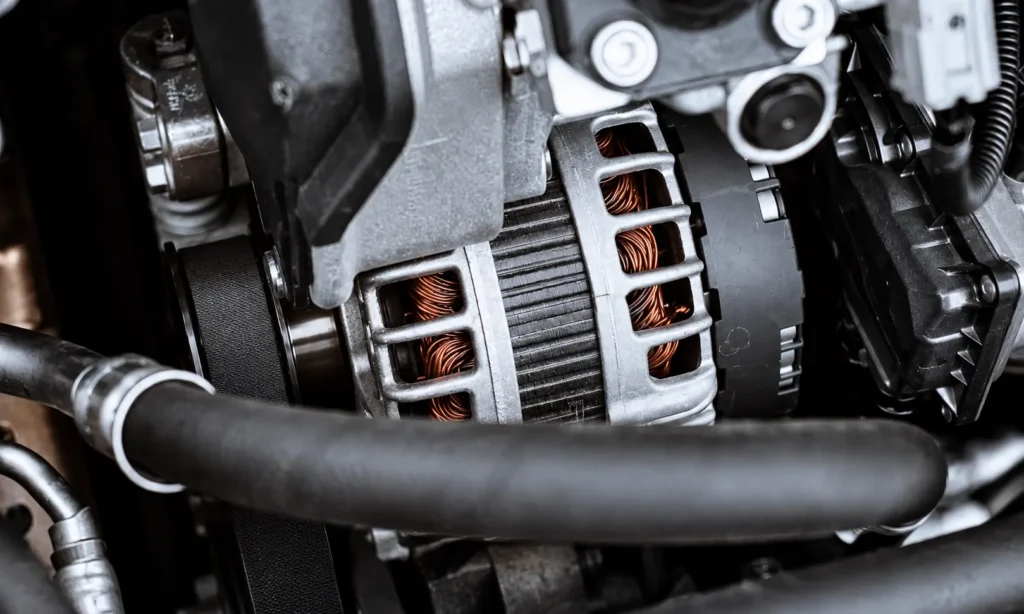
Transmission
Slipping or shifting hard? Not every transmission problem is the worst case. We diagnose before we recommend.
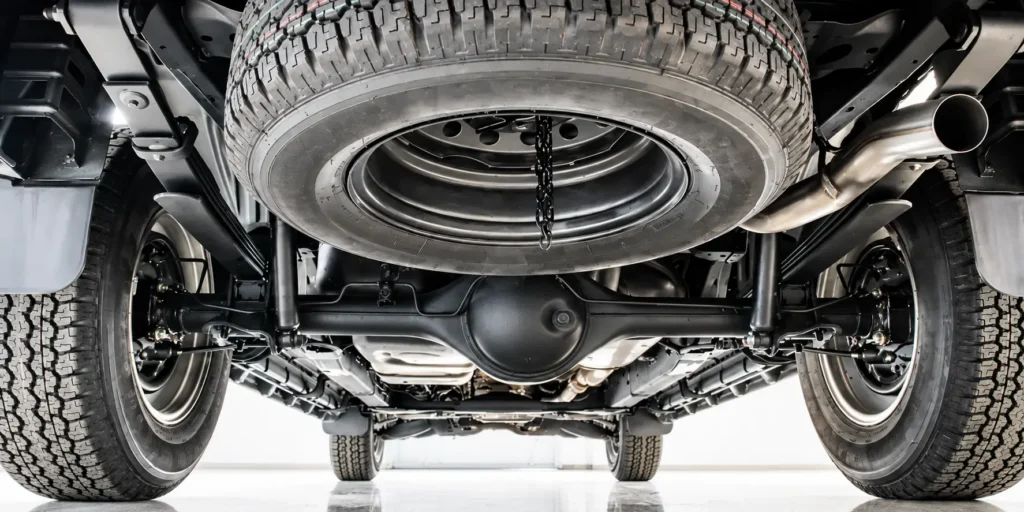
Axles
Clicking when you turn? That's usually a torn CV boot, and it gets worse fast once dirt gets into the joint.
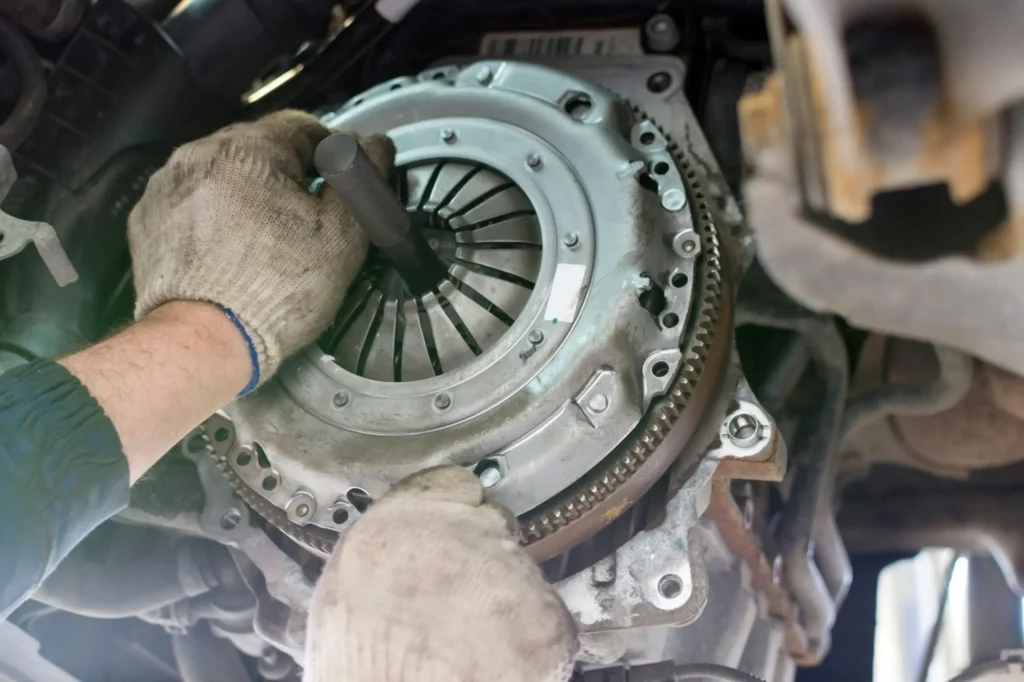
Clutch
Slipping under load, riding high, or stuck to the floor, we find which part of the clutch system is failing.
GET YOUR DRIVETRAIN CONCERNS CHECKED
Noticing unusual noise, vibration, or changes in how your vehicle drives? Our team can help identify the source of the concern and explain the next steps for your vehicle. Call or schedule online to get started in Clarksville, Fort Campbell, or Oak Grove.