
Timing Belt Replacement
Approaching your timing belt service interval or unsure whether the belt has been replaced? Our team can review your vehicle’s requirements and determine which timing belt and related components need attention.
Schedule Service
Free Pickup and Delivery for Driveable Vehicles
TIMING BELT REPLACEMENT SERVICE
REPLACING THE BELT BEFORE FAILURE BECOMES A PROBLEM
The timing belt keeps two halves of your engine turning in perfect sync, the part that opens and closes the valves and the part that moves the pistons. As long as that timing holds, everything runs smoothly. If the belt snaps while the engine is running, that synchronization is lost instantly, and on a lot of engines that means the pistons and valves collide and cause serious internal damage. That’s what makes the timing belt unlike almost any other part: you replace it on a schedule specifically so it never gets the chance to fail.
Here’s the important distinction to know. Some engines are what’s called interference engines, where a snapped belt causes that valve-and-piston collision and major damage. Others are non-interference, where a broken belt leaves you stranded but doesn’t wreck the engine. Whether your specific engine is one or the other affects just how urgent this is, and it’s worth confirming for your exact vehicle. Either way, once you’re near the recommended mileage, replacing the belt on time is far cheaper than gambling on it.
COMMON TIMING BELT REPLACEMENT WARNING SIGNS
WHEN YOUR VEHICLE MAY BE DUE FOR TIMING BELT SERVICE
- You're approaching or past the mileage interval in your owner's manual
- You don't know whether it's ever been replaced on a higher-mileage car
- A ticking or rattling noise from the front of the engine
- The engine is running rough or is hard to start
- Oil leaking near the timing cover, which can shorten belt life
TIMING BELT REPLACEMENT PROCESS
REPLACING THE TIMING BELT AND EVALUATING RELATED COMPONENTS
- Inspect the Timing Belt SystemWe confirm your vehicle's recommended interval, check the belt's condition where visible, and verify whether related parts like the water pump are driven by the same belt.
- Assess Related ComponentsWe determine what should be replaced alongside the belt, since tensioners, pulleys, and often the water pump are best done at the same time given how much labor it takes to reach them.
- Replace the Timing Belt and Recommended PartsWe replace the timing belt and the recommended related components, and set the engine timing precisely, since this is a job where accuracy is everything.
- Verify Engine Timing and OperationWe run the engine and confirm the timing is correct and everything is quiet and running smoothly before returning the car.
WHY TIMING BELT REPLACEMENT MATTERS
REDUCING THE RISK OF TIMING BELT FAILURE AND ENGINE DAMAGE
A timing belt replacement is a real expense because of the labor involved in reaching it, but on an interference engine it’s a fraction of what a snapped belt costs, which can mean bent valves, damaged pistons, and a repair that rivals the value of the car. This is the rare maintenance item where skipping it doesn’t just risk being stranded, it risks the engine itself. Doing it on schedule turns a potential catastrophe into a planned, predictable service.
Timing Belt Replacement
Frequently Asked Questions
How much does timing belt replacement cost?
It’s priced mostly on labor, since the belt sits deep in the engine, plus the related parts we replace at the same time like the tensioner and often the water pump. We’ll give you a firm quote for your specific vehicle before starting.
When should my timing belt be replaced?
The interval is set by mileage and is listed in your owner’s manual, and it varies quite a bit by vehicle. If you’re near that mileage or don’t know whether it’s been done, it’s worth confirming for your exact engine rather than guessing.
Does my car even have a timing belt?
Not all do. Many engines use a timing chain instead, which is built to last much longer and generally isn’t a scheduled replacement item. We can confirm which your engine has, since it changes whether this service applies to you at all.
What happens if my timing belt breaks?
On an interference engine, a snapped belt usually causes major internal damage as the valves and pistons collide. On a non-interference engine, it leaves you stranded but typically spares the engine. Which one you have is worth knowing, and it’s the reason timing this replacement matters so much.
What parts are commonly replaced with a timing belt?
Depending on the vehicle and manufacturer recommendations, timing belt service may include related components such as tensioners, pulleys, and a water pump when it is driven by the timing belt. Our team can review your vehicle’s requirements and determine which components should be evaluated or replaced during the service.
Does every vehicle use a timing belt?
No. Vehicles may use either a timing belt or a timing chain, depending on the engine design. The recommended service requirements also vary by vehicle. Our team can help confirm which timing system your vehicle uses and review any applicable maintenance recommendations.
Related Services
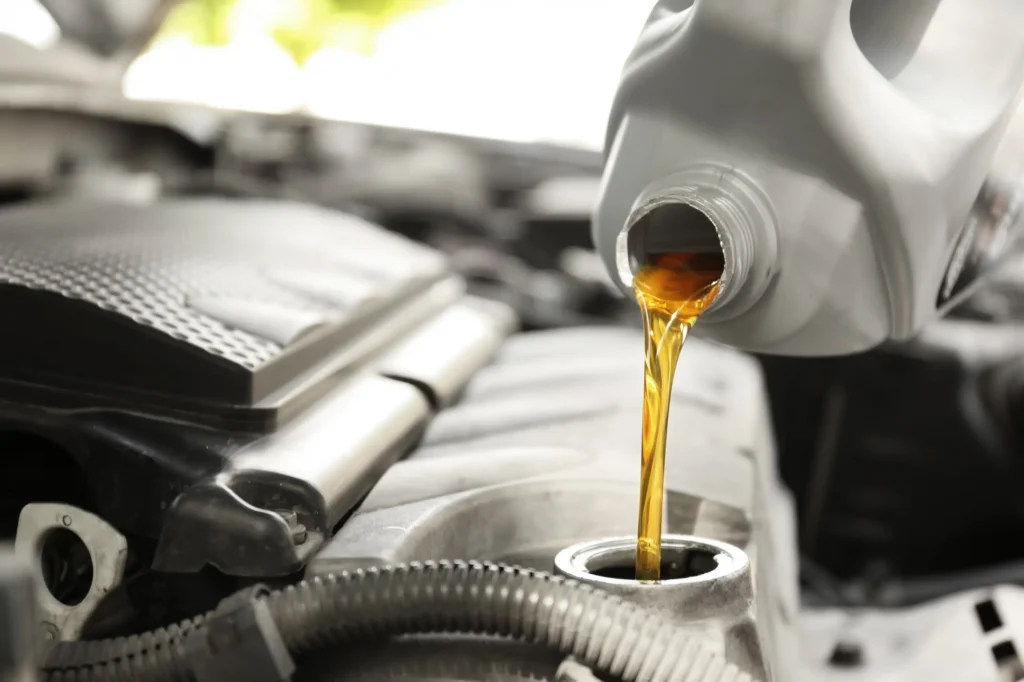
Scheduled Maintenance
Follow the maintenance your car actually needs, on schedule, without the dealership markup.
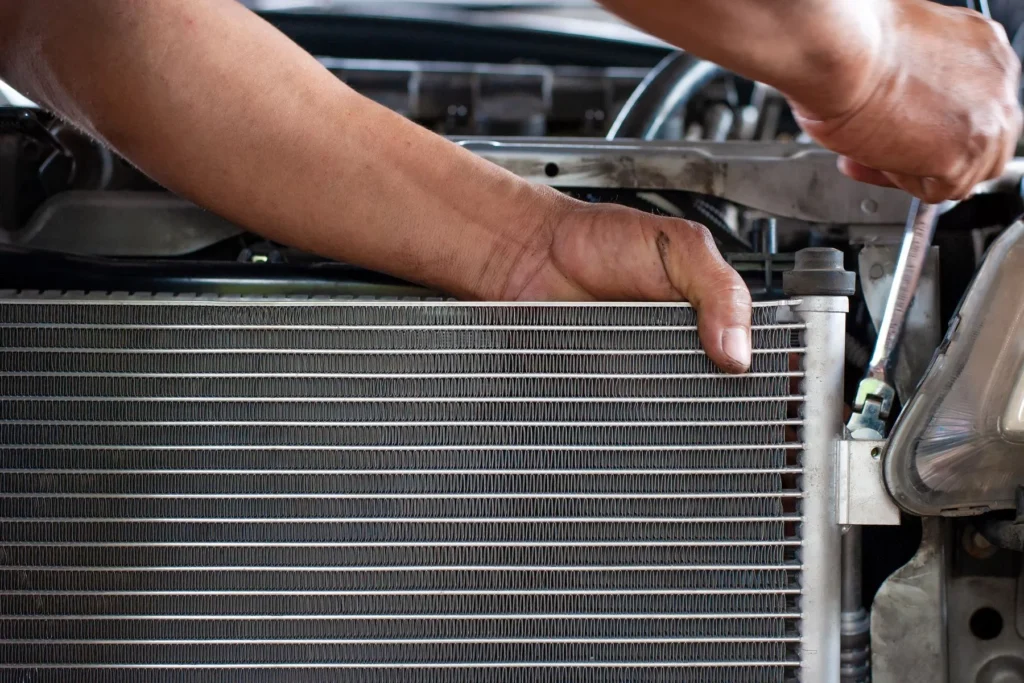
Radiator
Running hot or leaking coolant? Overheating is one of the fastest ways to wreck an engine.
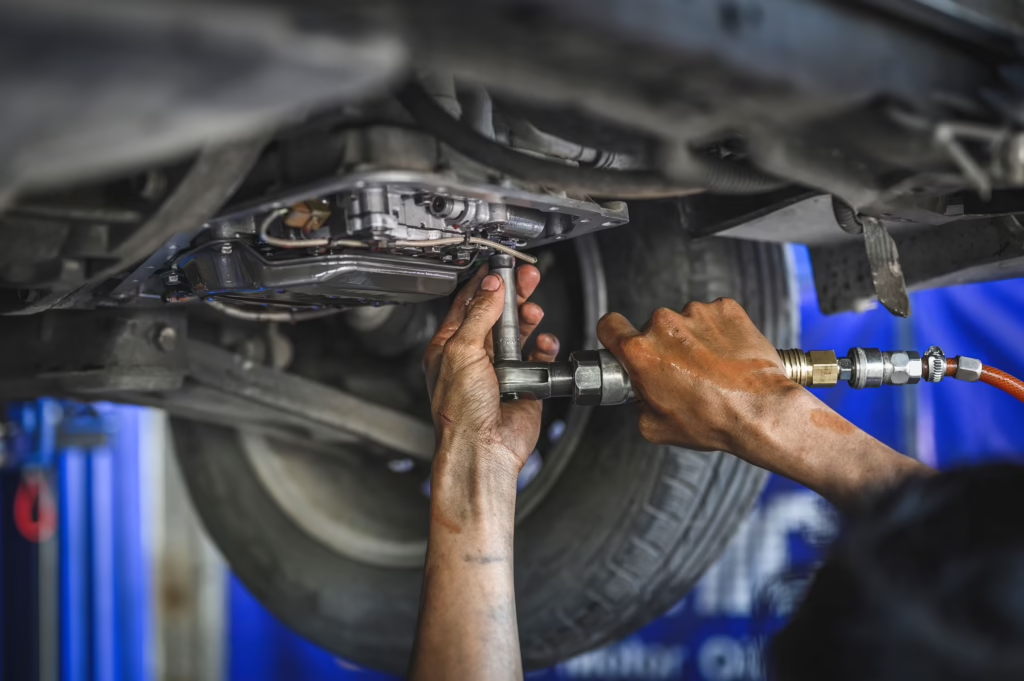
Vehicle Diagnostics
No check engine light and no obvious cause? That's exactly what a full diagnostic is built to catch.
APPROACHING YOUR TIMING BELT SERVICE INTERVAL?
Not sure when your timing belt was last replaced or whether your vehicle is due for service? Our team can review your vehicle’s maintenance requirements at a location serving Clarksville, Fort Campbell, or Oak Grove. Call or schedule your service online to get started.